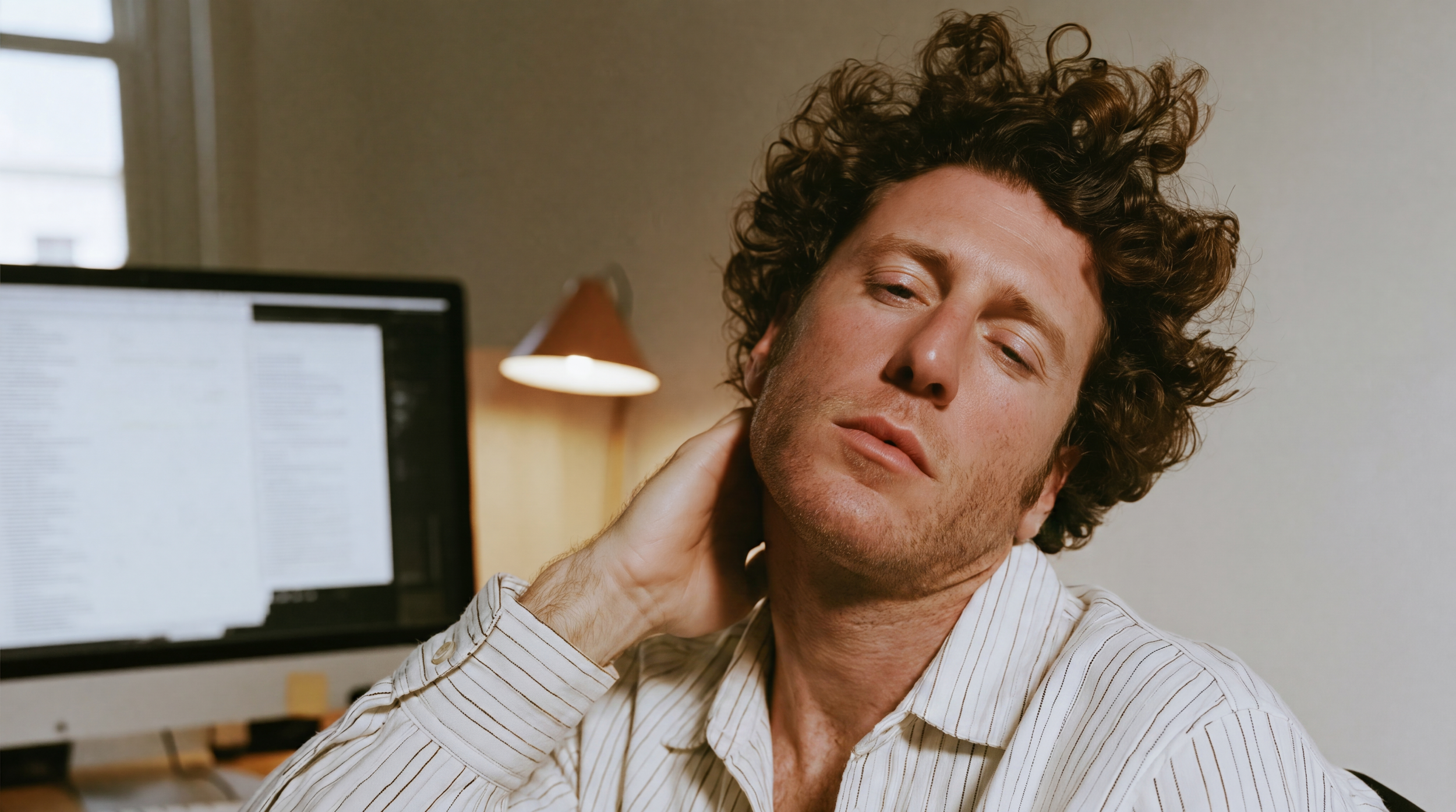
I’m a 48 y.o. coach with 26 years of experience. Here’s my latest realization

“I started feeling that another major shift was coming, but this time is not a “magic” body transformation system.”
Hi, I’m Archie. I turned 48 today, and lately I’ve had a strong feeling that something fundamental is changing in the fitness industry. This is a short personal story.
I started my fitness journey in Russia, graduating with a Bachelor’s degree in Physical Education in 2000. At that time, in a small Far East city called Blagoveshchensk (you can to see the map), our pedagogical university didn’t even have a gym in the modern commercial sense. We had a few kettlebells, some free weights, pull-up bars, and dip stations in a gymnastic training facility. That was basically it.
The old Soviet training philosophy was simple: If you want to get stronger move your body. Do pull-ups, dips, run sprints, carry things. Weights was for weightlifters only.
None of my teachers ever told me: “Archie, go to the gym you need machines to build muscle.” It wasn’t about right or wrong. It was simply a different culture back then.
Later, when I moved to Israel, I entered a much more commercial fitness environment. Big and small gyms were everywhere in Tel Aviv area, but most of them were filled almost entirely with machines. Free weights were limited. Sometimes one barbell had to serve hundreds of members during peak hours.
From 2000 until today, I’ve worked across many areas of the fitness industry. In 2017, I became the owner of my own network of functional training places called AIFIT. At that time, CrossFit was dominating the US fitness industry, while functional fitness was rapidly growing worldwide. That period strongly shaped my vision.
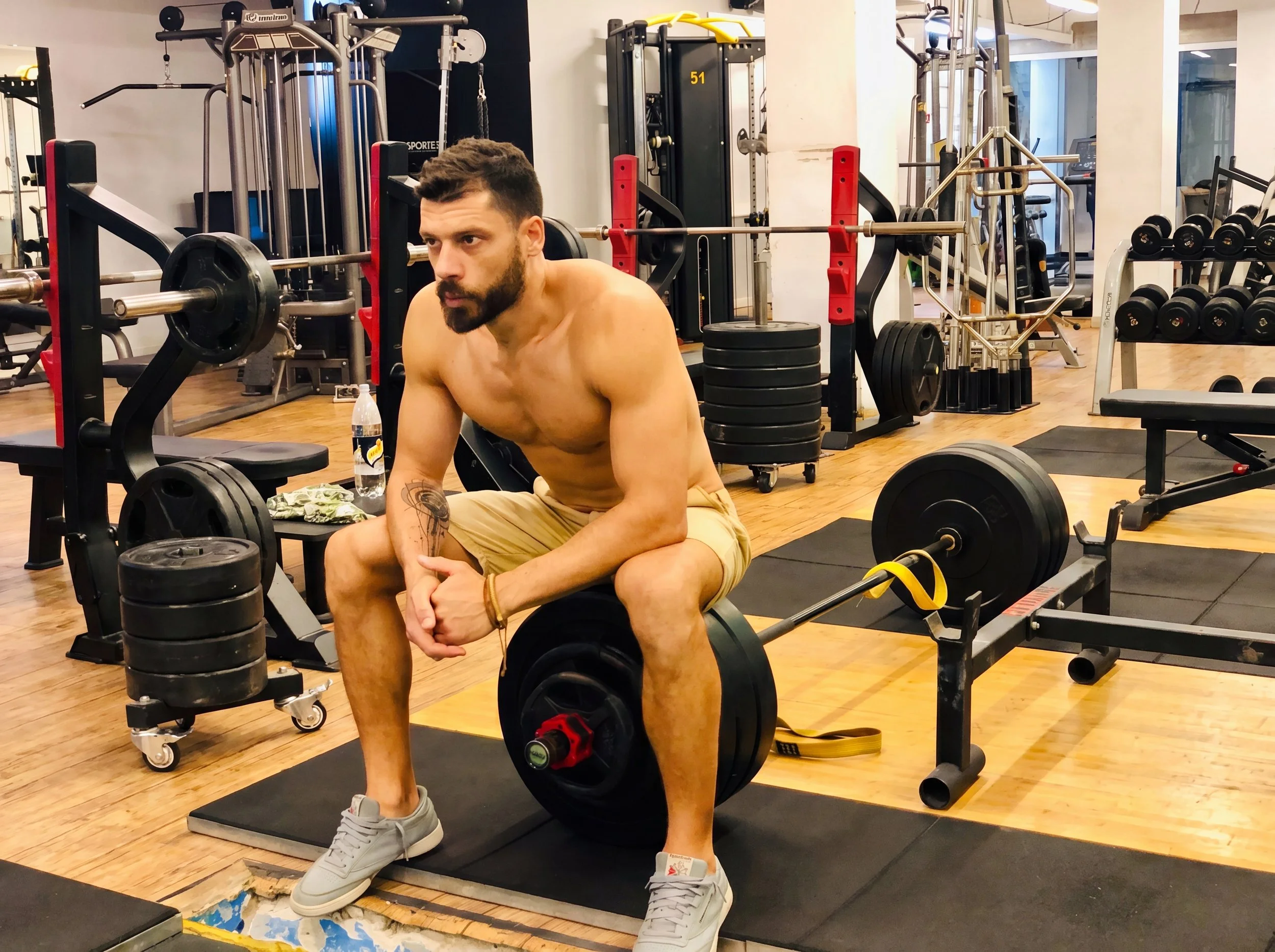
AIFIT Gym 12.7.2019
In 2017 in Israel “functional” was just a word. Beyond professional athletes, it meant almost nothing to the broader population of gym-goers.
Today, much of that trend has faded and been replaced by smaller boutique studios, Pilates concepts, wellness spaces, HIIT groups, and lower-intensity formats.
Then, during my Master’s degree in Sport Science in 2023 at Wingate University (see my thesis here), I started feeling that another major shift was coming, but this time is not a “magic” body transformation system.
This time it is GLP-1drugs
If you’re not familiar with them, GLP-1 receptor agonists are medications originally developed for diabetes and obesity treatment, a class of medications that activate the GLP-1 receptor, causing reduced blood sugar, reduced appetite, and reduced energy intake.
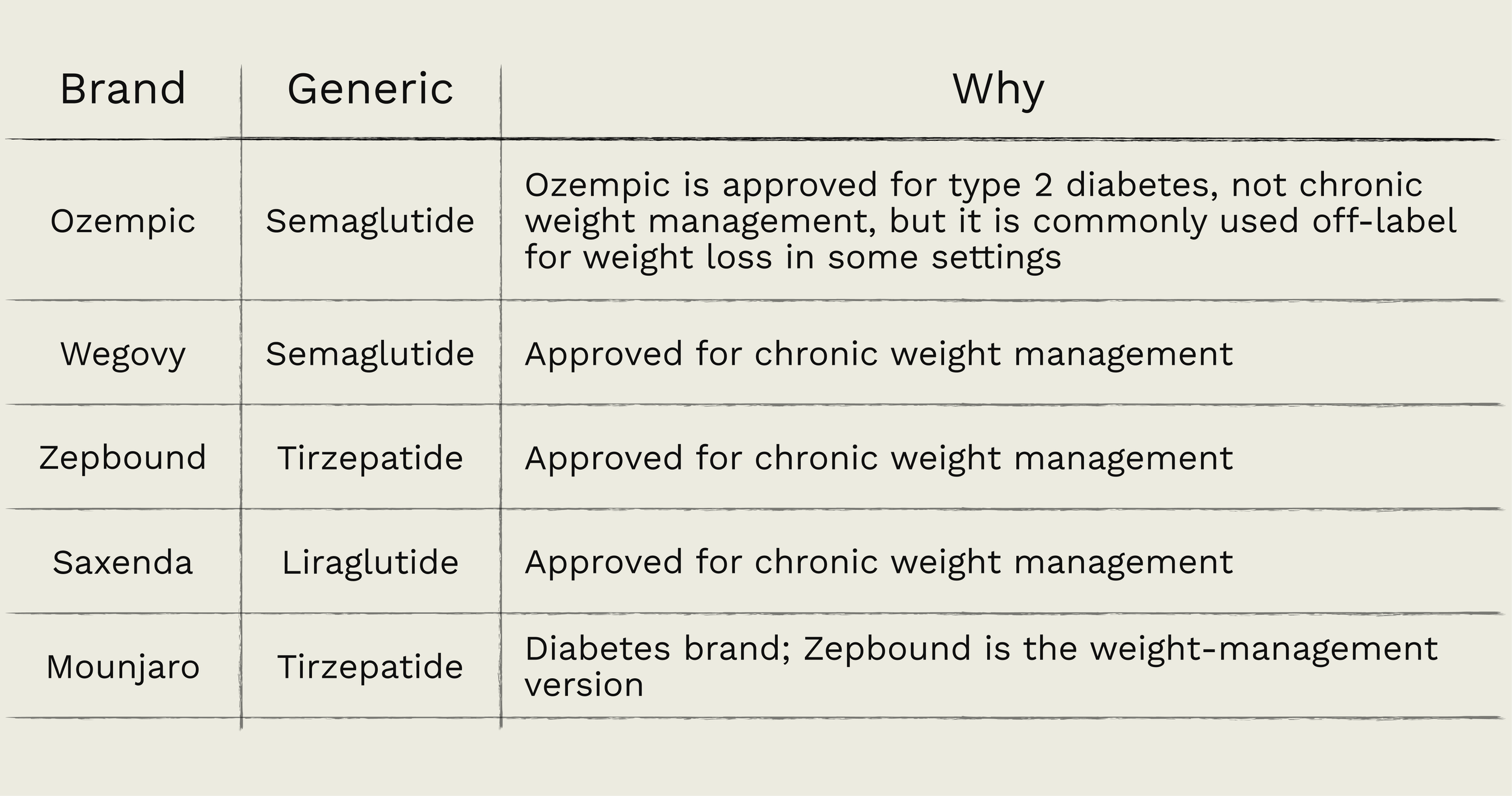
Today, they are becoming globally known through brands like:
And whether the fitness industry likes it or not, these drugs are changing the landscape very quickly. Exact global user numbers are not publicly disclosed, but I used AI-assisted scientific research tools to estimate (or speculate) the scale based on available reports, prescription growth, market expansion, and public health data.
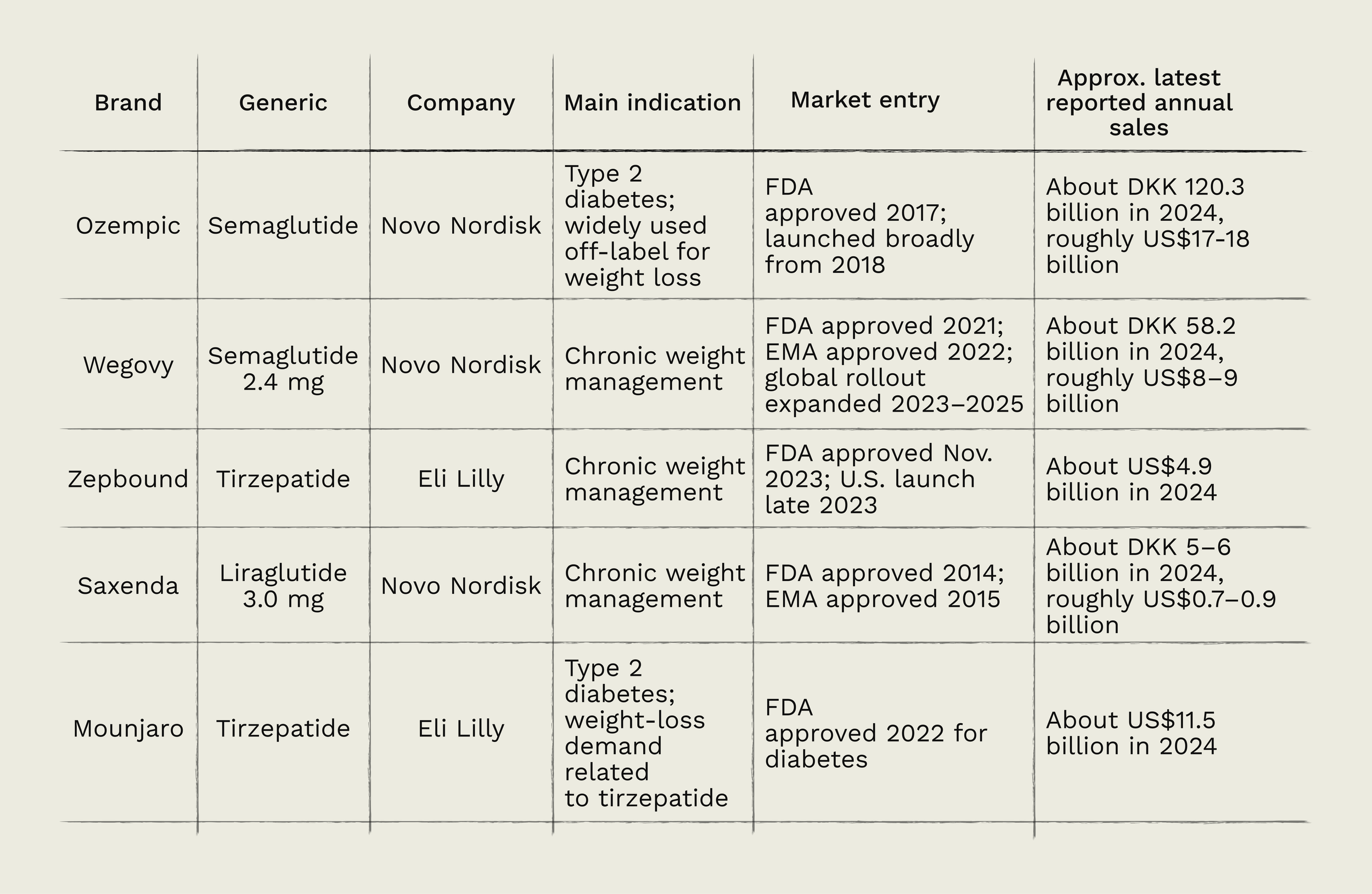
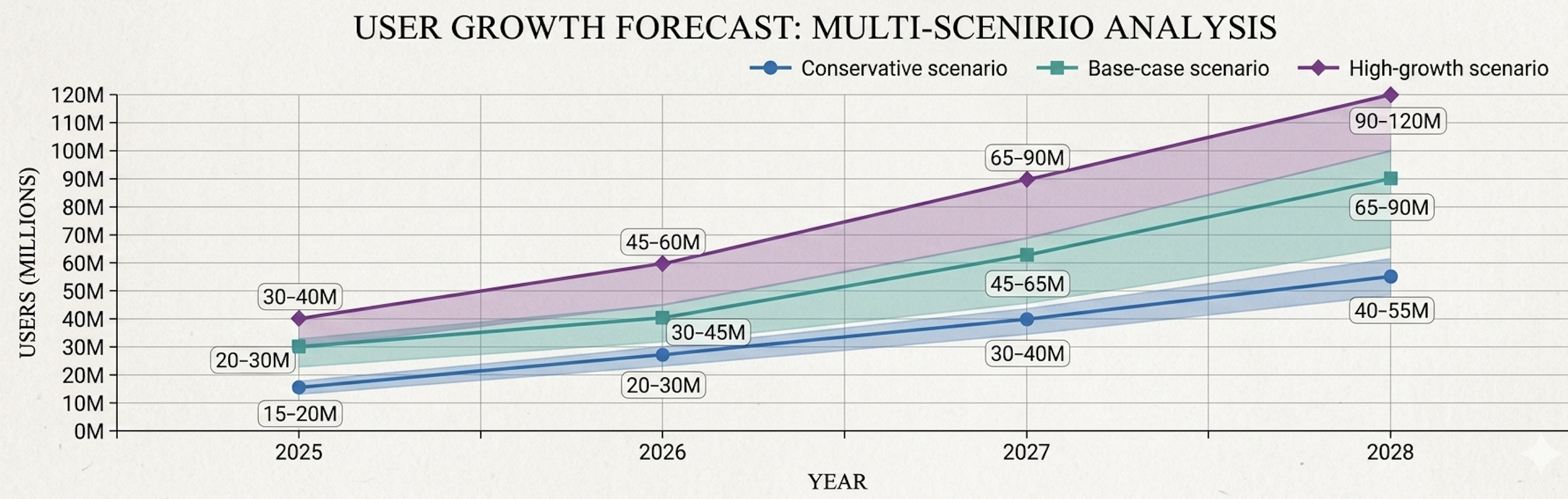
Image generated by Gemini
GLP-1 weight-management drugs began with Saxenda, approved in 2014–2015, which established liraglutide (a once-daily injectable) as a medical treatment for obesity.
The market accelerated after Ozempic entered diabetes care in 2017–2018 because semaglutide (a peptide similar to the hormone glucagon-like peptide-1 ) became widely recognized for weight loss, even though Ozempic itself was not approved as an obesity drug.
Wegovy, approved in 2021 in the United States and 2022 in Europe, transformed the obesity market by offering weekly semaglutide with greater average weight reduction than older therapies.
Mounjaro, approved for diabetes in 2022, further increased demand because tirzepatide showed very strong weight-loss effects.
Zepbound, approved for chronic weight management in 2023, became Wegovy’s main competitor.
The overall trend is clear: rapid growth, a shift from daily to weekly injections, stronger average weight-loss outcomes, and increasing global demand constrained mainly by price, supply, reimbursement, and long-term adherence.
From my personal experience, I already see the shift happening. Many people who previously struggled for years with long cardio sessions, restrictive diets, and endless gym routines are now turning to GLP-1 medications. And more importantly many of them are getting results.
This is why I believe GLP-1 drugs will force not only the fitness industry, but potentially many other industries, to reinvent themselves or experience meaningful shifts. And honestly, in terms of immediate behavioral impact on society, I think this trend may become even more disruptive than the current AI revolution.
For decades, a huge part of the fitness economy revolved around one promise: “Lose fat. Get lean.”
Commercial gyms, online transformation programs, fat-burning classes, crash-diet coaching, supplement marketing much of the industry was built around changing body composition.
If you ask me, the number one reason people join gyms or studios is still simple: They want to lose weight. And today weight loss is becoming increasingly medicalized. That changes the role of fitness fundamentally.
The gym may no longer be the primary gateway to fat loss. And once that happens, the entire value proposition of the fitness industry and many fitness influencers must evolve. The consequences could extend far beyond fitness itself.
Food: lower appetite may reduce demand for large portions, snacks, sugary foods, and fast food.
Fashion: more demand for smaller sizes, body-contouring clothing, and wardrobe replacement after weight loss.
Healthcare: possible reductions in obesity-related complications, but higher drug spending.
Plastic surgery: more demand for skin tightening and body contouring after rapid weight loss.
The fitness industry has already gone through multiple evolutions. From old-school bodybuilding gyms filled with machines to the CrossFit boom to boutique studios, yoga concepts, Pilates, and wellness-focused spaces after COVID.
And now another major shift is arriving. Its name is GLP-1
I don’t fully know how deeply it will reshape society, fitness, or human behavior. But one thing already seems clear for me: millions of people are becoming leaner without traditional gym culture.
But there is one important thing GLP-1 drugs cannot replace: human movement itself. Weight loss and physical function are not the same thing.
Maybe I’m overestimating the impact
But after 26 years in fitness, I’ve learned not to ignore large behavioral shifts when they start spreading globally.
Personally, I still believe in an old-school movement philosophy:
Move your body regularly.
Use it naturally.
Build strength through movement itself.
That’s why I continue to guide my clients toward a more sustainable calisthenics and movement-based approach adapted to modern life and individual needs.
Read more posts: